

The revolution in modern medical research
Can you imagine a medicine so precise that it works only where needed, without causing side effects, or one that diagnoses diseases before symptoms even emerge?
That revolution is no longer a vision of the future – it is already a reality, thanks to nanotechnology. This cutting-edge field is transforming medical science, and its application in nanomedicine promises to redefine how we prevent, diagnose, and treat disease.
The concept of nanotechnology was first introduced in 1959 by Richard Feynman, who imagined a future where materials could be manipulated atom by atom. Today, nanotechnology has evolved into a well-established multidisciplinary field, encompassing the study and manipulation of materials and systems at a nanometric scale – equivalent to one millionth of a millimetre. This unprecedented ability to interact with individual atoms and molecules has sparked revolutionary advancements across various disciplines, including electronics, biology, and most notably, medicine.
By the 1990s, progress in the field began to solidify, paving the way for the emergence of nanomedicine – a branch of science that tackles disease at its most fundamental level: cells and molecules. Today, nanotechnology-based treatments and diagnostic tools are improving the lives of millions.
Benefits of Nanomedicine
Nanomedicine offers a multitude of benefits that are revolutionising healthcare. One of its most remarkable advantages is its ability to detect diseases at early stages. By utilising nanoparticles to mark diseased cells, conditions such as cancer can be identified even before any noticeable symptoms emerge. Early detection not only significantly increases the likelihood of successful treatment but also reduces the emotional and financial burden on patients.
Another key benefit is the precision it brings to treatments. Nanomedicine-based therapies can deliver drugs directly to the affected area, minimising damage to healthy tissues and reducing side effects. This is particularly transformative for diseases like cancer, where conventional treatments often compromise a patient’s quality of life due to their severe adverse effects.
In addition, nanomedicine enables continuous and personalised health monitoring. Nanodevices can track the body’s response to treatments in real time, providing invaluable data for tailoring therapies to individual needs. This level of personalisation improves clinical outcomes and enhances patient confidence in the treatment process.
Lastly, nanomedicine has a positive economic impact. Although its initial development can be costly, the effectiveness of its treatments and the reduction in side effects help lower the overall costs of medical care. This not only benefits patients but also optimises resource allocation within healthcare systems.
Future Prospects
The future of nanomedicine is brimming with revolutionary advances poised to profoundly transform healthcare. A particularly exciting area is the development of regenerative therapies, which leverage nanotechnology to repair damaged tissues and organs at the cellular level. These innovations not only promise improved recovery rates but also have the potential to pave the way for treatments that extend human longevity.
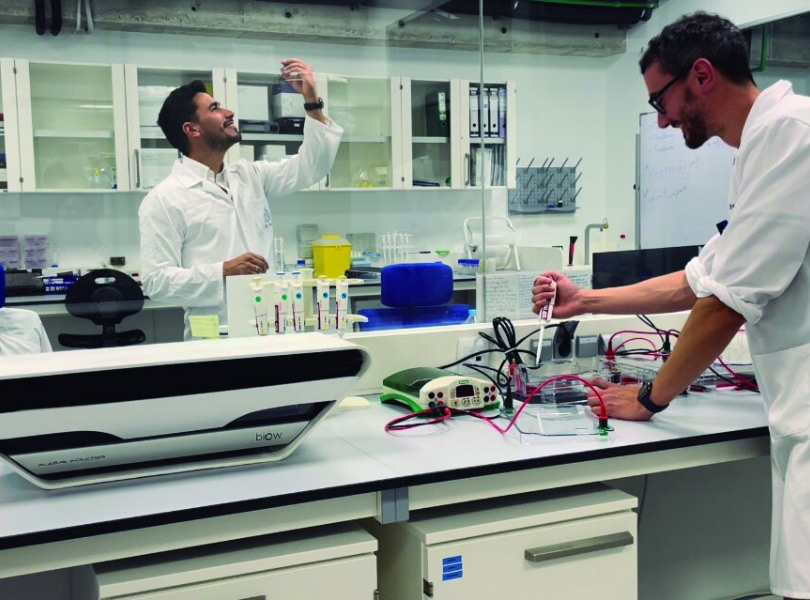
In this ever-evolving landscape, Biow stands out as an innovative tool aligned with the advancements of nanotechnology. By focusing on cellular regeneration through the generation of active ions, Biow enhances critical biological processes such as ATP synthesis and the reduction of oxidative stress. Moreover, Biow serves as a preventative measure against nanotoxicity—a growing concern as nanoparticles become increasingly integrated into our daily lives. Studies from the Catholic University of Murcia underscore Biow’s ability to improve quality of life by optimising tissue regeneration and mitigating the effects of environmental nanotoxins.
In conclusion, nanomedicine is redefining the boundaries of science and medicine, offering groundbreaking solutions to some of healthcare’s most complex challenges. Biow is a key player in this revolution, providing an invaluable tool for enhancing well-being and longevity in a world increasingly shaped by nanotechnology.