

From birth to the end of our lives, we are exposed to a myriad of factors that shape our health.
These factors, collectively known as the exposome, encompass everything from environmental agents, such as pollution and solar radiation, to internal processes like metabolism, as well as lifestyle habits, including diet and sleep. Together, they act cumulatively and dynamically, influencing our ability to resist disease and maintain physiological balance.
Given this complexity, how does the human body adapt? And what innovative solutions are available to mitigate the impact of the exposome?
The physical barrier: the first line of defense
The body employs various physical barriers, such as the skin and mucous membranes, to shield against external aggressors. The skin, for instance, offers protection against ultraviolet (UV) radiation and pollutants. However, it requires consistent care, including the use of sunscreen and proper hydration, to prevent damage such as burns or oxidative stress.
Meanwhile, the respiratory system, which filters airborne particles, encounters significant challenges with ultrafine nanoparticles. These microscopic particles can bypass the usual defences, penetrating the bloodstream and potentially impacting multiple organs and systems.
Internal processes: cellular adaptation and repair
Internally, the human body is equipped to address environmental challenges through a range of dynamic processes that ensure its functioning and regeneration.
Firstly, cells produce ATP, a vital molecule that sustains the body’s essential functions, even under environmental stress. This energy production is critical for maintaining vital activities and overall resilience.
Additionally, cellular repair is predominantly activated during sleep. During this restorative period, the body regenerates tissues and counteracts damage caused by free radicals—by-products of environmental factors such as pollution and smoking. However, inadequate rest can disrupt this process, accelerating cellular deterioration and impairing overall health.
Finally, the immune system serves as a crucial line of defence against viruses, bacteria, and pollutants. While it typically responds effectively to these threats, its efficiency can be compromised by factors such as chronic stress and persistent inflammation, leaving the body more vulnerable to external and internal challenges.
The influence of lifestyle: decisions that make a difference
While some factors of the exposome are beyond our control, our daily choices can significantly mitigate their impact. For instance, a balanced diet rich in antioxidants—sourced from fruits, vegetables, and healthy fats—fortifies the body against oxidative damage while supporting cellular regeneration.
Equally important is managing stress to counteract the harmful effects of the exposome. Activities like yoga and meditation help regulate cortisol levels, a hormone that, when elevated, accelerates aging and triggers inflammation.
Physical exercise also plays a critical role. By enhancing circulation, improving tissue oxygenation, and reducing the influence of external agents, it acts as a powerful tool for resilience.
Finally, quality sleep is indispensable. Resting between seven and nine hours each night allows the body to engage key mechanisms that promote health, support cellular repair, and bolster its ability to confront environmental challenges.
.
Biow: an innovative solution against the exposome
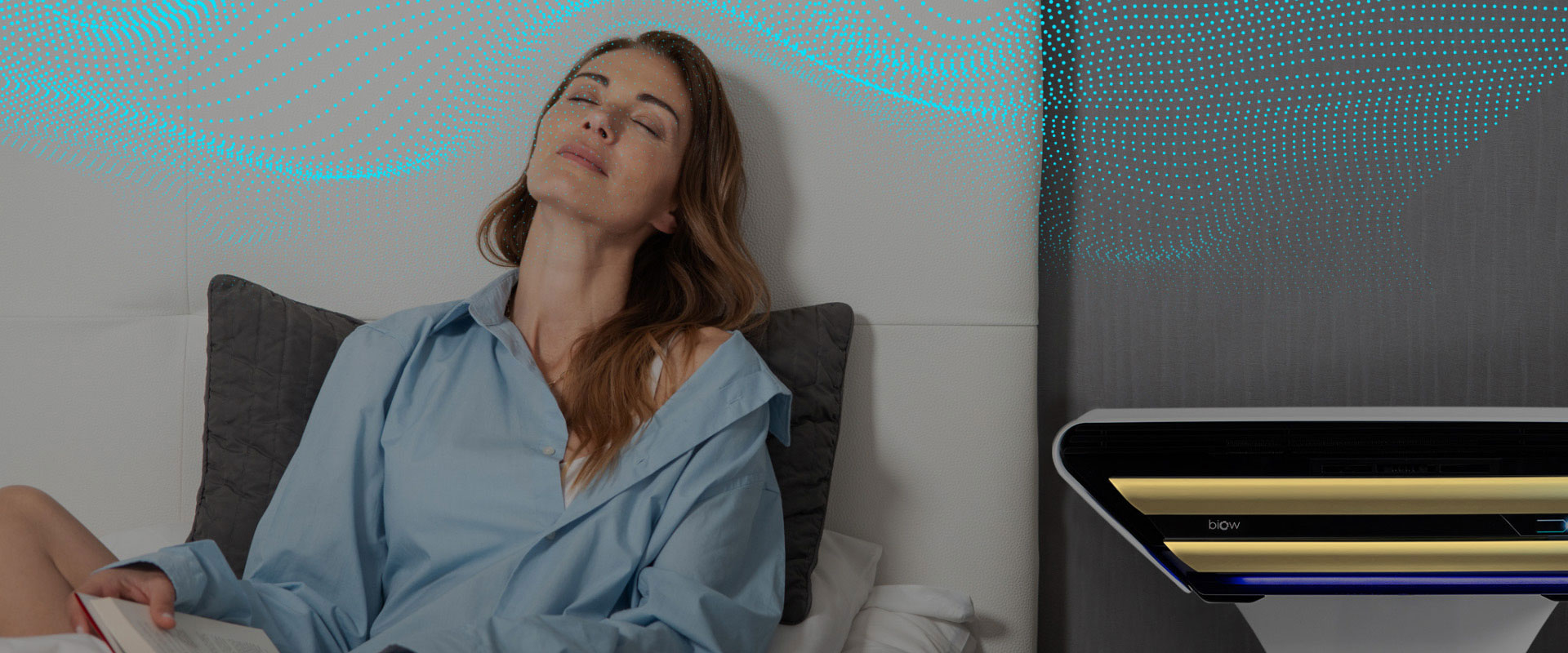
To counteract the cumulative effects of the exposome, it is crucial to implement solutions that enhance our living environments and bolster the body’s resilience. In response to this need, Biow has developed an innovative solution that transforms spaces into regenerative environments, directly benefiting overall well-being.
Biow’s technology addresses the impact of nanoparticles and other harmful airborne factors by improving air quality and fostering a healthier environment. By reducing oxidative stress and promoting cellular regeneration, Biow not only supports overall health but also enhances rest, mood, and both physical and mental performance.
A holistic approach to the exposome
Biow takes a comprehensive approach to addressing the challenges posed by pollution, stress, and other factors of the exposome. It goes beyond merely preventing damage, actively regenerating and fortifying the body. By creating bioenergetic environments, Biow establishes itself as a pivotal tool for enhancing public health and personal well-being.
While the exposome presents a continuous challenge to health, the human body is equipped with natural defences to protect and adapt. By complementing these innate capabilities with healthy lifestyle choices and groundbreaking solutions like Biow, we can significantly improve resilience and quality of life.
Biow not only mitigates the adverse effects of the exposome but also transforms everyday environments into regenerative spaces, promoting optimal health and well-being. In a world where environmental exposures are unavoidable, Biow offers a vital solution for healthier, more sustainable living.